-
Why You Should Avoid Connecting to Unknown Wi-Fi Networks
Whether you work remotely, travel frequently, or love staying connected all the time, chances are that you’ve used public Wi-Fi. According to Statista, approximately 60% of internet users globally have accessed their email accounts using public Wi-Fi. It seems tempting and convenient to use public Wi-Fi. However, it comes with security risks. This blog explains…
-
How to Prevent SIM Cloning and Protect Your Phone Number
A SIM card holds the confidential and personal information about you. So, when a hacker gets access to your SIM card, they can easily breach your bank details, private texts, or phone calls. As a responsible person, you always take care of your physical assets. You never let your phone out of sight. However, one…
-
How to Safeguard Personal Data on Lost or Stolen Devices
Losing your phone, tablet, or laptop is not just an issue- it can also be a direct threat to your privacy, financial security, and even your identity. These days, phones can store a lot of different things, from private conversations and work papers to banking information and passwords. Cybercrime, identity theft, and major data breaches…
-
The Risks of Sideloading Apps: Why It’s a Bad Idea
Sideloading means installing apps on your phone from places other than official app stores like Google Play or Apple’s App Store. It sounds cool because you can get apps that aren’t in the official stores. But it comes with big risks. Android phones face these dangers already, and iPhone users might too. Here’s why sideloading…
-
The Dangers of Public USB Charging Stations: How to Avoid ‘Juice Jacking’
Three small words can hit you hard, especially when you are not expecting them. No, not THOSE three words, but it is “Low Phone Battery.” When caught in such a situation while on the go, public USB charging is a convenient solution to keep your devices powered. However, it comes with a hidden risk: juice…
-
What’s the Difference Between Deleting and Wiping Data?
I am sure, you all must have heard about data leaks and even stressed about it. People often wonder what to do with data they don’t need anymore. Should they delete it or wipe it? Deleting and wiping data sound similar, but they’re very different. Let me explain the differences between the both, so that…
-
How to Block Spam Calls and Robocalls Effectively

Spam calls and robocalls are frustrating and put you at risk of phishing or hacking attempts. When you share your phone number online, you get bombarded by robocalls, scammers, and spoofed numbers. We’ve got you covered if you’re tired of it and wondering how to block spam calls and robocalls effectively. Keep reading this blog.…
-
7 Signs Your Phone Has a Virus and How to Fix It
Our phones hold so much important stuff—like our contacts, social media, and even bank details. We use them for everything, like shopping, chatting, and working. But did you know phones can get viruses? Yep, just like computers! Viruses are bad programs that can mess up your phone or steal your info. Let’s talk about how…
-
What Is Adware? A Simple Guide to Understand and Stop It
Do you see lots of annoying pop-up ads on your computer or phone? Does your device feel slow? You might have adware. Don’t worry! I’ll explain what adware is, how it gets on your device, and how to stop it. Let’s keep this super simple and easy to understand. What Is Adware? Adware is a…
-
How to Securely Use Mobile Payment Services Like Apple Pay and Google Pay
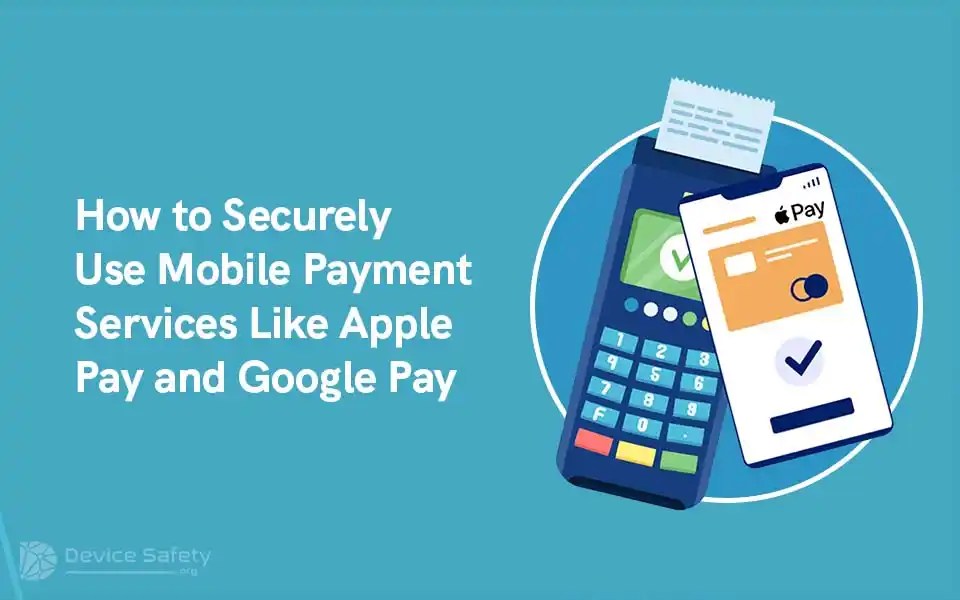
Nowadays, people lead hectic lifestyles, so mobile payment services such as Apple Pay and Google Pay have made everyday transactions quite easy. Whether you want to buy a coffee, order food, or shop online, these apps are perfect for quick and cashless transactions. These apps make payment easy for you as you don’t have to…
-
Subscribe
Subscribed
Have a WordPress.com account? Log in now.

