Mobile phones, today, have become an inevitable part of today’s hyper-connected world. We rely on them for everything including, communication, productivity, and entertainment, holding our entire digital lives in our palms. However, this extraordinary convenience introduces a new and evolving threat that becomes a prime target of cyber attackers: data breaches.
The data breaches on mobile devices have increased in recent years, exposing flaws with far-reaching effects. In this age of instant information, it is critical that we understand the nature of these breaches, the lessons they teach us, and the preventive actions we can take to protect our personal and professional data.
India ranks 7th in data breach analysis globally with approximately 1.35 million leaked accounts in 2023. Phishing was the most common attack type (almost 22%), followed by stolen or compromised credentials (16%). Social engineering was the most expensive root cause of breaches, costing nearly Rs 19.1 crore, followed by malicious insider threats, costing nearly Rs 18.8 crore.
Here we will talk about the realm of mobile data breaches, throwing light on the lessons learned from these occurrences and it will provide practical ways to keep your digital life secure. Whether you’re a home user, a corporate professional, or an IT enthusiast, the information provided here will equip you to secure your digital environment from the ever-present threat of data breaches.
Lessons Learned from Data Breach
End – to – End Encryption
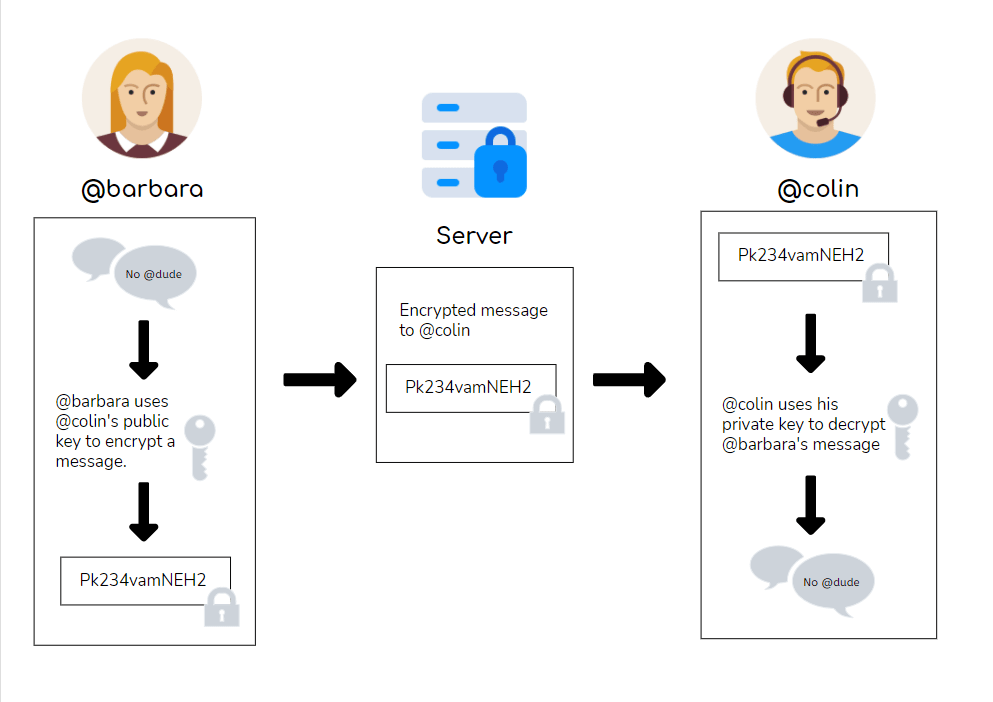
The breach of data has taught us that encrypting sensitive data and segmenting networks can help reduce the potential effect of a breach by limiting an attacker’s ability to access or exfiltrate confidential data. It is critical security against unauthorized persons intercepting and accessing your data. Data is encrypted on the sender’s device, transferred encrypted, and only decrypted on the recipient’s device with E2E encryption.
This implies that even if a cybercriminal intercepts the data while it is being transmitted, they will be unable to understand it without the encryption keys. E2E encryption is used by popular messaging apps such as WhatsApp and Signal to secure user chats. All communication apps must enable E2E Encryption in all the supported apps to protect your confidential and important data.
Man-in-the-Middle Attacks
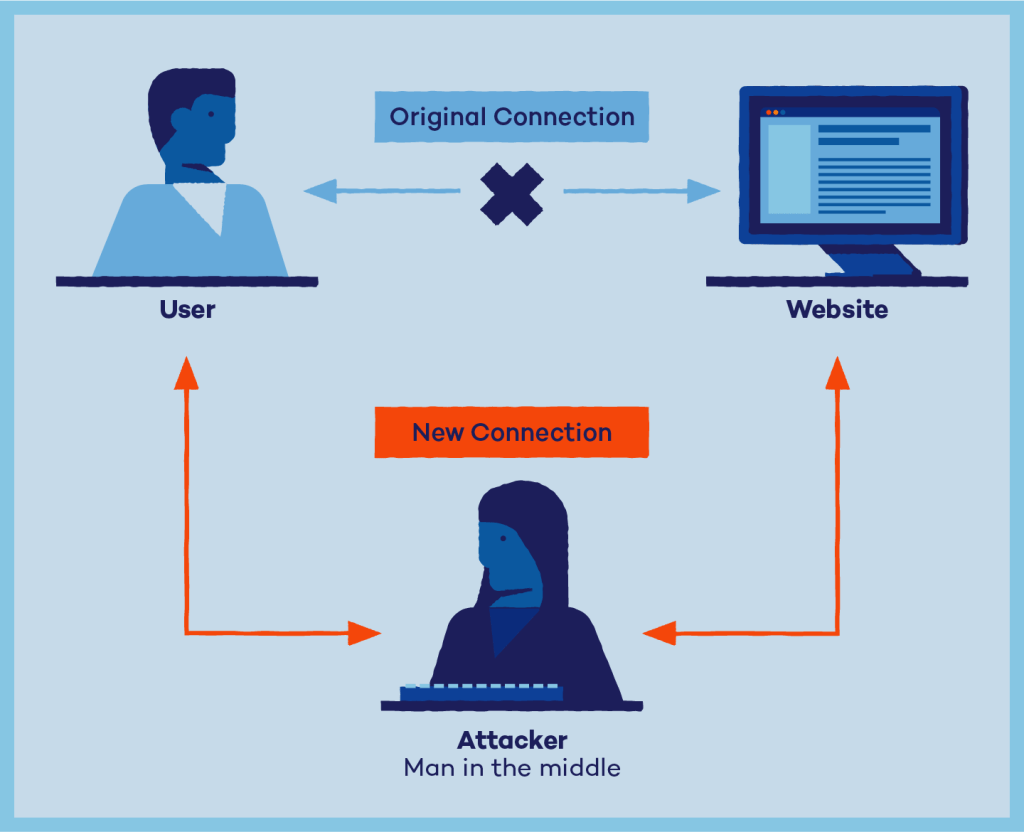
Man-in-the-middle (MitM) attacks are a common threat to mobile device security. An unauthorised third party intercepts communication between two parties without their knowledge in Man in the Middle (aka MitM) attack. According to MobileIron’s Global Threat Report, 15% of covered devices detected a MitM attack in the first six months of 2018.
These assaults can take place on public Wi-Fi networks, compromised routers, or malicious apps. It is critical to learn how to defend against the MitM attacks.
Data Leakage
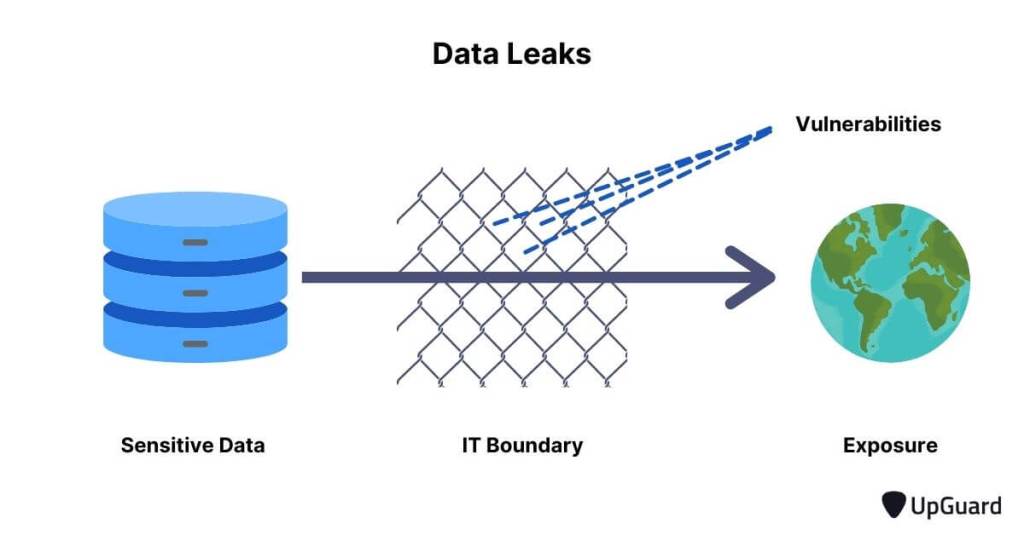
Data leaking is a major risk in mobile device security that we learned and has emerged as a salient lesson from previous data breaches. The inadvertent or unauthorized sending of sensitive or secret information from a mobile device to an external, potentially malicious source is referred to as data leakage. It usually happens as a result of app misconfigurations, cloud storage, and syncing, or when your device is lost or stolen.
Awareness about Scams and Reporting
We have learned that scammers are constantly coming up with new ways to attack mobile devices. It’s critical to learn about common frauds, phishing efforts, and bogus apps or websites. Be wary of unwanted messages, emails, or offers that appear to be too good to be true.
If you stumble across a fraudulent app or website, report it to the appropriate authorities or platforms to help others avoid becoming victims of similar schemes. Reporting these frauds/scams helps not only your individual safety but also the community effort to battle cybercrime. Remember that a well-informed community is a better defence against digital threats.
Financial Frauds
Financial fraud, such as unauthorized transactions, identity theft, or credit card fraud, is frequently the result of data breaches. It’s important to learn about the indications of financial fraud. Individuals and corporations can limit losses and preserve their financial assets by learning how to spot and respond to financial fraud.
Understanding the financial repercussions of data breaches, as well as being alert in checking bank account statements, can be helpful in dealing with the larger effects of mobile device data breaches.
Preventive Measures that can be taken against Data Breaches
Password – Protect your Phone
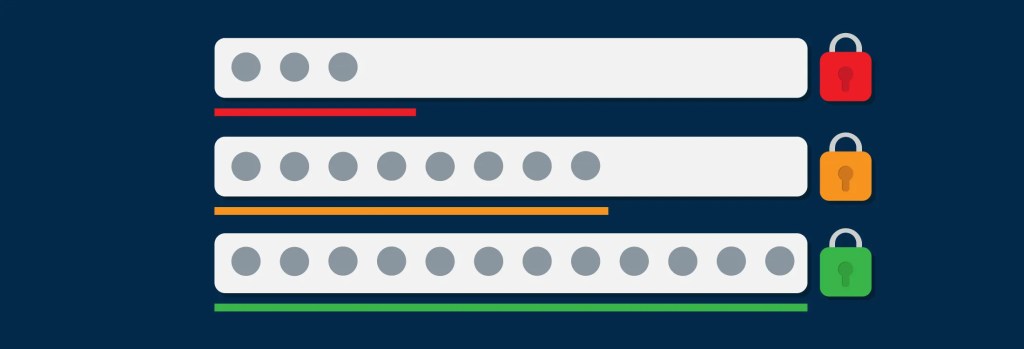
Use a strong PIN, password, or biometric authentication mechanism such as fingerprint or FaceID, to protect your device. Avoid using easily guessable codes or patterns that could jeopardise the security of your device. Make use of unforeseen characters in your password by including signs like $,%,&,£, etc. By incorporating this additional safeguard, you improve the security of your mobile device and make unauthorised access much more difficult, lowering the chance of data breaches.
Update Software Regularly
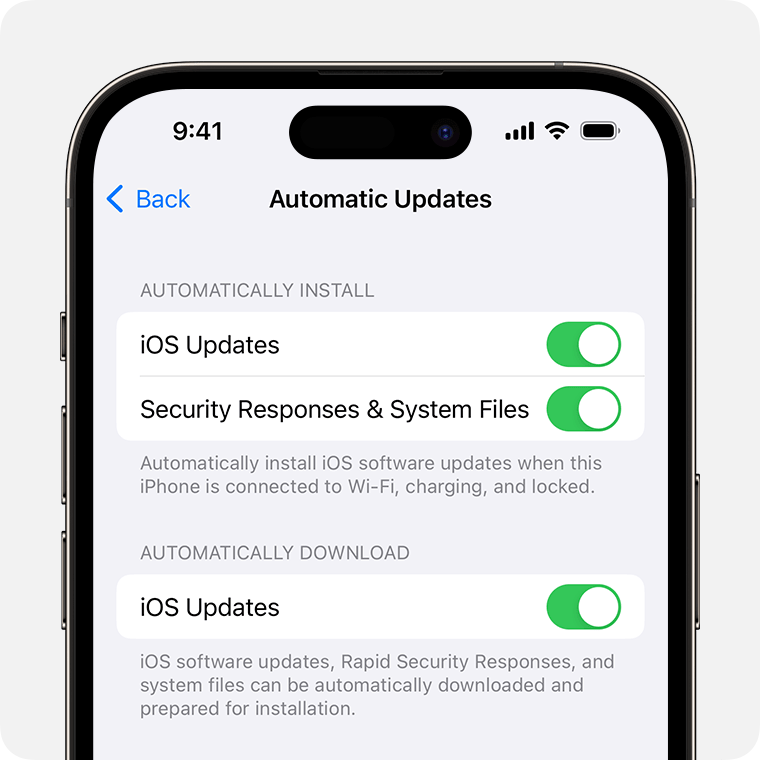
Make sure your mobile device’s operating system and apps are all up to date. These upgrades frequently include security fixes to address known vulnerabilities, lowering the chance of crooks exploiting them. By implementing this critical safeguard, you protect the integrity and security of your mobile device, reducing the likelihood of data breaches and unauthorized access.
Use a VPN (Virtual Private Network)
Wi-Fi allows hackers to remotely access your data while remaining undiscovered. Only connect your phone to password-protected networks, especially in public venues that provide free Wi-Fi. Even if you use Wi-Fi for browsing and not for shopping, banking, or anything else that involves passwords or account data, your personal information can be exposed unknowingly on a public, open-source network.
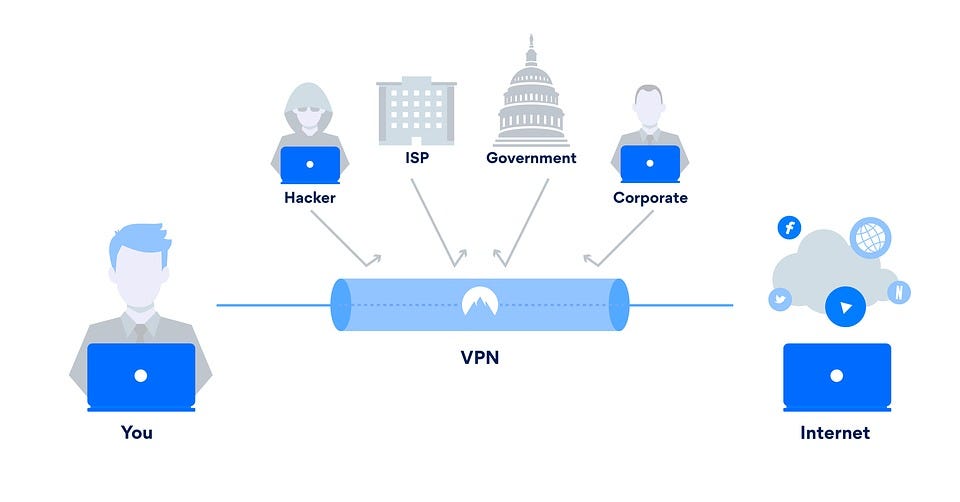
Consider utilizing a VPN on your mobile device when connecting to public Wi-Fi networks. A VPN secures your internet connection by encrypting it and establishing a secure “tunnel” between your device and the VPN server. On unprotected public Wi-Fi networks, this encryption protects your data from potential eavesdroppers.
Regular Back Ups
Backing up your mobile phones regularly will help you access your important data like photos, videos, music, and emails, even if your device is hacked, stolen, or lost. Make sure they all are backed up on another device to protect and preserve it. Mobile ransomware attacks can encrypt your data and demand a fee to unlock it.
A backup that is kept separate from your device can help you avoid paying the ransom. You have the option of wiping your device and restoring your data from a backup. By applying this preventive strategy, you build a strong safety net that can assist you in recovering from unanticipated data loss or security issues.
Review App Permissions
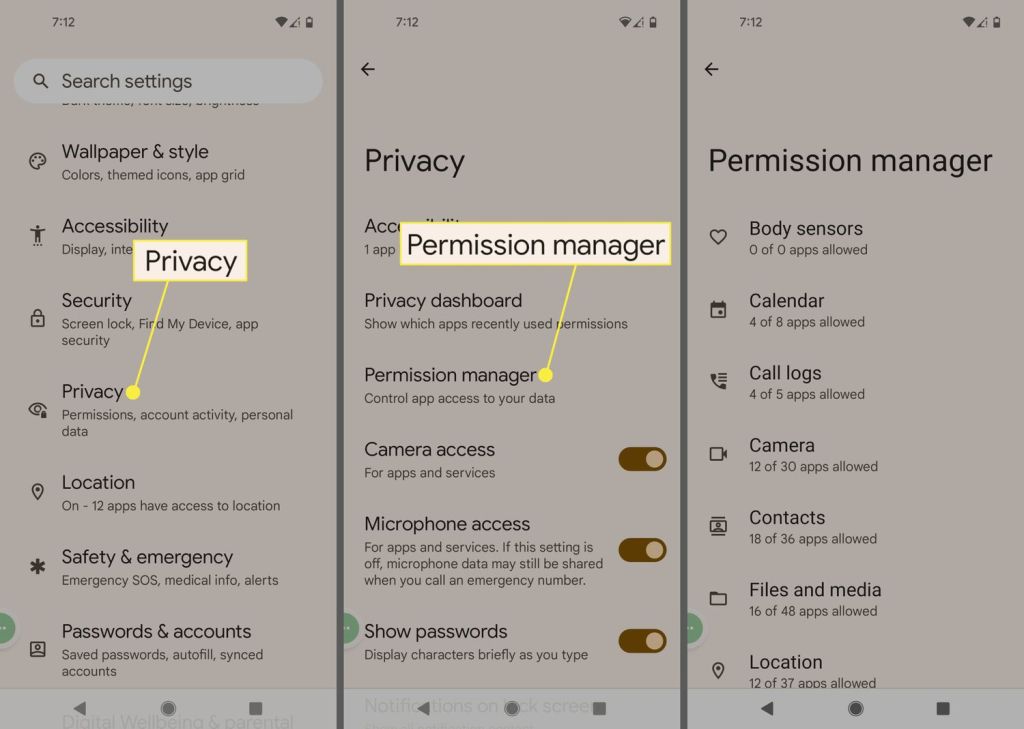
Mobile apps have become an essential part of our daily lives, providing convenience and functionality for a wide range of tasks. Many apps, however, request permissions that go beyond their basic duties, possibly putting your data at risk. To prevent data breaches on mobile devices, it is critical to control app permissions proactively.
Examine the permissions that an app requires before installing it. Permissions often include access to your camera, contacts, location, microphone, and other personal information. Check that the permissions sought are appropriate for the app’s intended purpose.
To sum up, these are some basic preventive measures that you can implement to safeguard yourself from these attacks. Data breaches have become common and it is important to take authority and keep your data safe and in this digital era, privacy must be a priority.


Leave a Reply